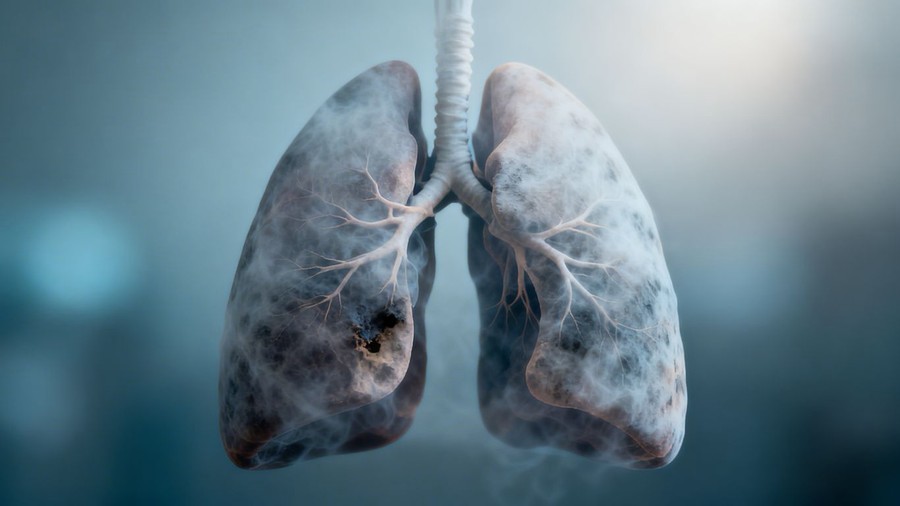
When lung cancer is linked to asbestos exposure, the treatment approach shares many similarities with lung cancer from other causes. However, understanding the specifics of asbestos-related lung cancer is important for patients and their care teams. This section will cover the different types of lung cancer that can arise from asbestos exposure, how the disease is staged, and the direct role asbestos plays in its development.
Types of Asbestos Lung Cancer
Asbestos exposure can lead to different kinds of lung cancer, primarily categorized by the appearance of the cancer cells under a microscope. The two main types are:
- Non-small cell lung cancer (NSCLC): This is the most common type, accounting for about 80-85% of all lung cancers. NSCLC generally grows and spreads more slowly than small cell lung cancer. It is further divided into subtypes like adenocarcinoma, squamous cell carcinoma, and large cell carcinoma.
- Small cell lung cancer (SCLC): This type is less common but tends to grow and spread more rapidly. SCLC is often associated with a history of smoking, but asbestos exposure can also be a contributing factor.
Knowing the specific type of lung cancer is vital because it directly influences the treatment options available and the potential outcomes.
Staging of Asbestos Lung Cancer
Staging is a system doctors use to describe how far a cancer has progressed. It helps determine the extent of the disease and guides treatment decisions. For NSCLC, a common staging system uses numbers from I to IV, with Stage I being the earliest and Stage IV being the most advanced, indicating that the cancer has spread to distant parts of the body. SCLC is often described in two stages: limited and extensive. Limited-stage SCLC is confined to one side of the chest and nearby lymph nodes, while extensive-stage SCLC has spread more widely. The stage of the cancer significantly impacts the available treatment options and the overall prognosis. Early diagnosis and staging are key to identifying the most effective treatment plan.
The Role of Asbestos Exposure in Lung Cancer
Asbestos is a mineral that was once widely used in construction and manufacturing. When asbestos-containing materials are disturbed, tiny fibers can be released into the air. If inhaled, these fibers can become lodged in the lungs, leading to inflammation and scarring over time. This chronic irritation can eventually cause lung cancer, as well as other serious conditions like mesothelioma. While not everyone exposed to asbestos will develop lung cancer, it is a well-established risk factor, and occupational exposure significantly increases the likelihood. Understanding this link is important for individuals who may have a history of exposure, as it can inform their medical monitoring and treatment choices. If you suspect you have been exposed to asbestos, speaking with a doctor about potential health risks and screening is advisable. Asbestos exposure is a known cause of several serious respiratory illnesses.
Primary Treatment Modalities for Asbestos Lung Cancer
When facing a diagnosis of lung cancer linked to asbestos exposure, medical professionals typically consider several core treatment approaches. The specific plan is always tailored to the individual, taking into account the type and stage of the cancer, as well as the patient’s overall health. The goal is to remove or destroy cancer cells and prevent them from spreading.
Surgical Intervention for Asbestos Lung Cancer
Surgery is often a primary consideration, particularly for lung cancers detected in their earlier stages. The aim of an operation is to remove the cancerous tumor along with a small margin of surrounding healthy tissue. The extent of the surgery depends on several factors:
- The size and location of the tumor within the lung.
- Whether the cancer has spread to nearby lymph nodes.
- The patient’s ability to tolerate the procedure.
For some patients, surgery might be the only treatment needed if the cancer is caught very early. However, it’s frequently combined with other therapies to ensure all cancer cells are eliminated. For those with more advanced disease, surgery might not be an option, or it could be used to remove specific tumors or affected lymph nodes.
Chemotherapy Approaches for Asbestos Lung Cancer
Chemotherapy uses drugs to kill cancer cells. These medications can be administered in various ways, such as intravenously (through an IV) or orally (by mouth). The choice of chemotherapy drugs and the treatment schedule are guided by the specific type of lung cancer (e.g., non-small cell lung cancer, which is more common) and its stage. Chemotherapy can be used:
- Before surgery to shrink tumors, making them easier to remove.
- After surgery to eliminate any remaining cancer cells.
- As a primary treatment for advanced cancers where surgery isn’t feasible.
- In combination with radiation therapy.
It’s important to note that chemotherapy can affect healthy cells too, leading to side effects that vary depending on the drugs used. Doctors work to manage these side effects to improve the patient’s quality of life during treatment. Some treatments for mesothelioma, a related asbestos-caused cancer, also commonly involve chemotherapy Mesothelioma treatment commonly involves surgery to remove visible tumors, often in conjunction with platinum-based chemotherapy and pemetrexed. Treatment strategies are tailored to the stage of the cancer and the line of therapy being administered..
Radiation Therapy in Asbestos Lung Cancer Treatment
Radiation therapy uses high-energy rays to kill cancer cells or shrink tumors. Like chemotherapy, it can be used in several scenarios:
- To treat tumors that cannot be surgically removed.
- As a follow-up treatment after surgery or chemotherapy.
- To relieve symptoms caused by the cancer, such as pain or breathing difficulties, in palliative care settings.
External beam radiation is the most common type, where a machine directs radiation at the affected area. Sometimes, radiation is combined with chemotherapy, a strategy known as chemoradiation, which can be particularly effective for certain types and stages of lung cancer.
Immunotherapy for Asbestos Lung Cancer
Immunotherapy represents a newer class of treatments that work by helping the patient’s own immune system recognize and attack cancer cells. For lung cancer, this often involves drugs called checkpoint inhibitors. These drugs essentially ‘release the brakes’ on the immune system, allowing it to fight the cancer more effectively. Immunotherapy can be used alone or in combination with chemotherapy, and it has shown promising results for many patients, particularly those with non-small cell lung cancer. The effectiveness can depend on specific markers found on the cancer cells.
Multimodal Therapy for Asbestos Lung Cancer
Combining Treatment Strategies
When dealing with lung cancer linked to asbestos exposure, doctors often don’t rely on just one method of treatment. Instead, they frequently use what’s called multimodal therapy. This approach involves using a mix of different treatments, like surgery, chemotherapy, and radiation, all working together. The idea is that by combining these strategies, they can attack the cancer from several angles, potentially leading to better outcomes than a single treatment alone. It’s about creating a coordinated attack plan tailored to the specific situation.
Personalized Treatment Plans for Asbestos Lung Cancer
Developing a treatment plan for asbestos-related lung cancer isn’t a one-size-fits-all situation. Doctors look at a lot of different factors to figure out the best path forward for each individual. This includes:
- The specific type of lung cancer: Whether it’s small cell or non-small cell lung cancer makes a big difference in how it’s treated.
- The stage of the cancer: How far the cancer has spread is a major consideration.
- The patient’s overall health: A person’s general health status plays a significant role in determining which treatments are safe and effective.
- The patient’s personal preferences: What the patient wants and is comfortable with is also taken into account.
This careful consideration allows for a truly personalized approach to care. For example, a patient with early-stage cancer might be a good candidate for surgery, while someone with more advanced disease might benefit more from a combination of chemotherapy and radiation. Sometimes, new treatments are explored through clinical trials, offering hope for more options. Finding the right combination of therapies is key to managing this complex disease, and it’s why a team of specialists often works together to create the best possible plan. You can explore options for mesothelioma clinical trials if your diagnosis involves that specific asbestos-related cancer, as treatments can overlap.
Exploring Advanced and Experimental Treatments
For individuals facing asbestos-related lung cancer, the landscape of treatment is continually evolving. Beyond the established modalities, advanced and experimental approaches offer new avenues for care and potential improvement in outcomes. These cutting-edge options are often explored through clinical trials and represent the forefront of medical research.
Clinical Trials for Asbestos Lung Cancer
Clinical trials are research studies that test new medical treatments or new ways of using existing treatments. They are a vital part of developing new therapies and are designed to evaluate the safety and effectiveness of these interventions. Participation in a clinical trial can provide patients with access to treatments that are not yet widely available.
- Investigational Therapies: These trials may involve experimental drugs, novel drug combinations, or innovative treatment techniques. The goal is to find more effective ways to combat asbestos-induced lung cancer while minimizing side effects.
- Eligibility Criteria: Patients typically need to meet specific criteria to enroll in a trial, which often depend on the type and stage of their cancer, as well as their overall health.
- Access to Innovation: Participating in a trial allows patients to potentially benefit from the latest scientific advancements and contribute to medical knowledge that could help future patients.
For those interested in exploring these options, seeking information about active clinical trials is a key step.
Emerging Therapies and Drug Combinations
The field of oncology is rapidly advancing, with a constant stream of new therapies and combinations being investigated. These emerging treatments aim to overcome treatment resistance and improve efficacy.
- Combination Therapies: Researchers are actively studying the synergistic effects of combining different treatment types, such as immunotherapy with chemotherapy or targeted therapies. This approach seeks to attack cancer cells from multiple angles.
- Targeted Treatments: Advances in understanding the genetic makeup of tumors have led to the development of therapies that specifically target certain molecular alterations within cancer cells. This personalized approach can lead to more effective treatment with fewer side effects.
- Novel Drug Development: New drugs are continuously being developed and tested, including antibody-drug conjugates and other innovative agents designed to target cancer cells more precisely.
These advanced and experimental treatments underscore the dynamic nature of cancer care and offer hope for improved prognoses for patients with asbestos-related lung cancer.
The Role of Specialists in Asbestos Lung Cancer Care
When facing a diagnosis of lung cancer linked to asbestos exposure, it becomes clear that a team of medical professionals is needed. This isn’t a condition treated by just one doctor; it requires a coordinated effort from various specialists. The complexity of asbestos-related lung cancer often means that a single treatment approach is not enough, necessitating a multidisciplinary team.
Multidisciplinary Care Teams
Asbestos lung cancer treatment is best managed by a team of doctors who bring different skills and knowledge to the table. This collaborative approach ensures that all aspects of the patient’s health and the cancer’s progression are considered. A typical team might include:
- Medical Oncologists: These doctors manage cancer treatment using chemotherapy, targeted therapies, and immunotherapy. They are key in developing and overseeing systemic treatments.
- Thoracic Surgeons: Specialists in operating on the chest, they are responsible for surgical interventions aimed at removing tumors.
- Radiation Oncologists: These professionals use radiation therapy to target and destroy cancer cells, often in conjunction with other treatments.
- Pulmonologists: Experts in lung diseases, they provide insights into the respiratory system’s health and manage related symptoms.
- Pathologists: While patients may not meet them, pathologists are vital for examining tissue samples to confirm the diagnosis and determine the specific type of lung cancer.
Key Specialists Involved in Treatment
Beyond the core medical team, other professionals play significant roles. For instance, patient advocates can be incredibly helpful in guiding individuals through the healthcare system and connecting them with resources. These advocates, often with backgrounds in nursing or medicine, help patients understand their options and ensure their needs are met. Finding the right specialists is a critical step in managing this disease, and many leading cancer centers have dedicated teams experienced in treating asbestos-related conditions. You can find more information about specialists and treatment options through resources that help connect patients with experienced medical professionals.
Factors Influencing Asbestos Lung Cancer Prognosis
Impact of Cancer Stage on Outcomes
The stage of asbestos-related lung cancer at the time of diagnosis plays a big role in how things might go. Basically, the further along the cancer is, the more challenging it can be to treat effectively. When cancer is found early, it’s often confined to one area, making it more manageable. As it progresses, it can spread to lymph nodes and even to other parts of the body, which complicates treatment options and generally leads to a less favorable outlook. For instance, non-small cell lung cancer is often described in four stages, with higher numbers meaning more advanced disease. Small cell lung cancer uses a simpler two-stage system: limited or extensive. The “extensive” stage, where cancer has spread widely, presents a tougher battle.
Importance of Early Diagnosis
Getting diagnosed early is a really significant factor when it comes to asbestos lung cancer. It’s not just about finding the cancer sooner; it’s about having more treatment options available. When lung cancer is caught in its early stages, doctors have a better chance of removing it completely through surgery or treating it effectively with less aggressive therapies. This can lead to better survival rates and a better quality of life for the patient. Regular check-ups and being aware of potential symptoms, especially if you have a history of asbestos exposure, are key to catching the disease early.
Patient Health and Treatment Response
Beyond the cancer itself, a patient’s overall health is a major piece of the puzzle. A person’s general physical condition, including things like lung function, heart health, and any other existing medical issues, can really affect how well they tolerate treatments like chemotherapy or radiation. Stronger overall health often means a patient can handle more intensive treatments, which can lead to better outcomes. Additionally, how a patient’s body responds to the chosen treatment is closely monitored. Some individuals might experience significant side effects, while others might tolerate the therapy well and see a positive response in the cancer. This individual response is a dynamic factor that doctors consider when adjusting treatment plans.