Mesothelioma, a serious illness often linked to asbestos exposure, can be tricky because its early signs might not be obvious. Many people don’t notice anything unusual until the cancer has progressed. The symptoms you experience can really depend on where the mesothelioma started in your body. However, there are a few general indicators that people with this condition often report.
Fatigue
Feeling unusually tired, even after resting, is a common complaint. This isn’t just being a bit sleepy; it’s a deep exhaustion that can make everyday tasks feel overwhelming. It’s like your body is constantly running on empty, and no amount of sleep seems to fix it. This persistent tiredness can really impact your ability to work, socialize, and just enjoy life.
Fever
Some individuals with mesothelioma might experience fevers. This can be a sign that your body is fighting something, and in this case, it could be the cancer. The fever might come and go, or it could be more constant. It’s often accompanied by other general symptoms, making it part of a larger picture that needs attention.
Unintended Weight Loss
Losing weight without trying is another red flag. If you haven’t changed your diet or exercise routine, but the number on the scale keeps dropping, it’s definitely something to discuss with a doctor. This can happen because cancer cells use up a lot of the body’s energy, and they can also affect your appetite and metabolism. It’s a sign that your body is undergoing significant changes, and it’s important to get it checked out. If you have a history of asbestos exposure, this symptom, along with others, should prompt you to seek medical advice. You can find more information about mesothelioma symptoms to understand what to look for.
Pleural Mesothelioma Symptoms
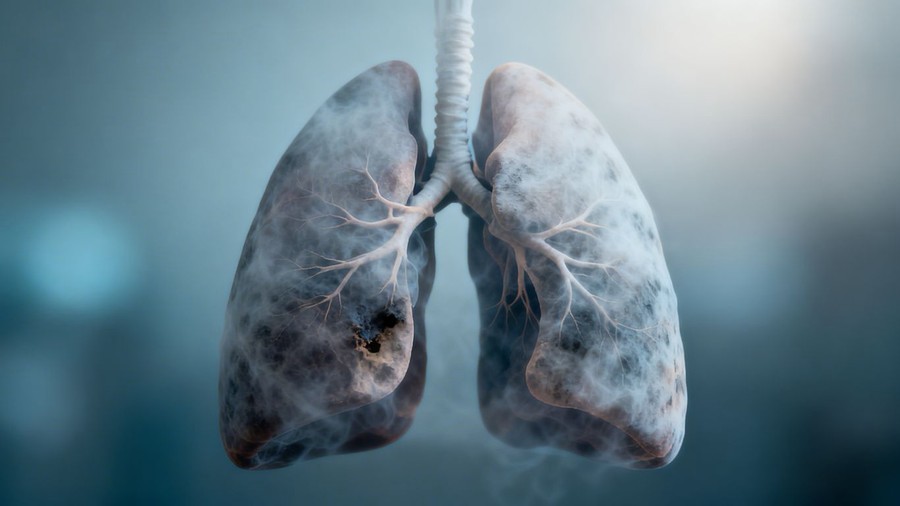
Pleural mesothelioma, the most common form of the disease, affects the lining of the lungs. Symptoms can sometimes be subtle at first, making them easy to overlook. It’s important to be aware of these signs, as early detection can significantly impact treatment outcomes.
Key symptoms associated with pleural mesothelioma include:
- Shortness of Breath: This is often one of the first and most noticeable symptoms. It can feel like you’re not getting enough air, even when you’re at rest. The difficulty breathing may worsen over time or with physical activity.
- Chest Pain: Pain in the chest area can range from a dull ache to a sharp, stabbing sensation. It might be felt in the back or sides as well, and can be persistent or come and go.
- Persistent Cough: A cough that doesn’t go away, especially if it’s dry or produces small amounts of mucus, can be a sign. Sometimes, this cough might be accompanied by hoarseness.
- Difficulty Swallowing: Some individuals experience a feeling of food getting stuck in their throat or general discomfort when trying to swallow. This symptom, known as dysphagia, can lead to unintended weight loss due to reduced food intake.
It’s worth noting that these symptoms can overlap with other, less serious conditions. However, if you have a history of asbestos exposure or experience any of these symptoms persistently, it is advisable to consult a healthcare professional. They can perform tests to determine the cause of your symptoms and discuss potential pleural mesothelioma diagnosis options.
Peritoneal Mesothelioma Symptoms
Peritoneal mesothelioma affects the lining of the abdominal cavity. Because this area contains many organs, symptoms can sometimes be varied and may not appear until the cancer has progressed. It’s important to note that these symptoms can also be caused by many other, less serious conditions.
Some common signs that might indicate peritoneal mesothelioma include:
- Abdominal swelling: This can happen due to fluid buildup in the abdomen, a condition known as ascites. The abdomen may feel tight or look visibly distended.
- Abdominal pain: Discomfort or pain in the stomach area can range from a dull ache to more severe pain, often related to the swelling or pressure from tumors.
- Changes in bowel habits: This can manifest as constipation, where bowel movements become infrequent and difficult, or potentially diarrhea in some cases.
- Nausea and vomiting: Feeling sick to your stomach or actually throwing up can occur, especially if the cancer affects the digestive system or causes blockages.
Other less common symptoms might involve a loss of appetite or unexplained changes in weight. If you experience persistent abdominal discomfort or notice these changes, it is advisable to consult a healthcare professional for a proper evaluation.
Less Common Mesothelioma Symptoms
While many mesothelioma symptoms are tied to where the cancer grows, some signs are less frequent but still important to recognize. These can sometimes be overlooked because they might seem unrelated or be mistaken for other issues.
Abnormal Heart Rhythms
Mesothelioma can affect the sac around the heart, known as the pericardium. When this lining is involved, it can lead to irregular heartbeats or abnormal heart rhythms. This might feel like your heart is skipping beats, beating too fast, or beating too slowly. It’s a sign that the cancer might be impacting the heart’s function.
Low Blood Pressure
Another potential symptom linked to the heart or the body’s overall response to the cancer is low blood pressure, or hypotension. This can cause feelings of dizziness, lightheadedness, or even fainting. It’s often a sign that the body is under significant stress from the disease.
Scrotal Swelling Or Pain
In rare cases, mesothelioma can affect the lining around the testicles, called the tunica vaginalis. When this occurs, individuals may experience swelling or pain in the scrotum. This symptom is specific to this less common form of the disease and warrants prompt medical evaluation.
When To Seek Medical Attention
It’s really important to talk to a doctor if you think something isn’t right, especially if you’ve been exposed to asbestos. Mesothelioma symptoms can be tricky because they often mimic other, less serious conditions. Don’t put off a check-up if you’re worried.
History Of Asbestos Exposure
If you’ve ever worked in jobs where asbestos was common, like construction, shipbuilding, or in the military, you should be extra aware. Even if it was a long time ago, asbestos exposure is the main risk factor for mesothelioma. It can take many years, even decades, for symptoms to appear after exposure. Knowing your history is a big first step.
Frequent Pneumonia Bouts
Experiencing pneumonia more often than usual, especially if it doesn’t clear up easily, could be a sign that something is wrong with your lungs. This can happen if the lining of your lungs is irritated or damaged, which is something that occurs with mesothelioma. It’s not just a simple cold; these recurring infections warrant a closer look.
Experiencing Mesothelioma Symptoms
If you’re noticing any of the symptoms we’ve talked about, like:
- Unexplained fatigue
- Persistent chest or abdominal pain
- A cough that won’t go away
- Trouble breathing
- Sudden, unintended weight loss
…it’s time to schedule an appointment. It might feel a bit scary to think about, but getting checked out early is always the best plan. A doctor can help figure out what’s going on and start any necessary treatment sooner rather than later.
Symptoms Of Advanced Mesothelioma
As mesothelioma progresses, symptoms can become more pronounced and impact daily life significantly. It’s not uncommon for patients to experience a buildup of fluid around vital organs, which can cause discomfort and further complications.
Fluid Buildup Around Organs
This fluid accumulation, known medically as effusion, can occur in several places. When it collects around the lungs (pleural effusion), it can lead to increased shortness of breath and chest pain. If fluid builds up in the abdomen (ascites), it can cause significant swelling and a feeling of fullness. Fluid buildup around the heart (pericardial effusion) is less common but can be serious, potentially affecting heart function. Managing this fluid often involves procedures to drain it, offering temporary relief.
Bowel Obstruction
In advanced stages, particularly with peritoneal mesothelioma, the cancer can affect the intestines, leading to a bowel obstruction. This happens when the tumor presses on or blocks the bowel, preventing the normal passage of food and waste. Symptoms can include severe abdominal pain, vomiting, constipation, and an inability to pass gas. This is a serious condition that requires prompt medical attention.
Night Sweats
Unexplained sweating during the night, often to the point of drenching clothing and bedding, can be another symptom of advanced mesothelioma. While the exact cause isn’t always clear, it’s thought to be related to the body’s response to the cancer or the inflammation it causes. These episodes can disrupt sleep and contribute to fatigue. If you’ve experienced a history of asbestos exposure and are noticing these symptoms, it’s important to consult a healthcare provider about potential mesothelioma causes.